

Complete YSL Buyer Guide Explore the Range
Pinpointing Real The Row Bags: What Shoppers Should Check For
The Row’s aftermarket has boomed over the past few years, and with that growth comes a flood of fakes that are tougher to detect than in the past. The Row earned its standing via subtle, unmarked luxury, which is precisely why authentication challenging — there’s no big logo to check, no noticeable hardware stamp, no flashy monogram print to compare against a fake. In 2026, anyone buying secondhand or through resale platforms should understand the particular build cues, fabric tells, and documentation markers that distinguish a genuine piece from a well-made fake. Whether you’re considering a Margaux, a tote, or one of the brand’s smaller handbags, this piece covers what to examine before you commit to a purchase. We’ll also touch on where the safest buying channels are and how pricing on the secondary market compares to retail. Get familiar with these details now, because the difference between a real item and a fake frequently hinges on millimeters and stitch counts.
Why The Row Bags Are Hard to Authenticate
In contrast to brands built around canvas monograms or embossed branding, The Row built its identity on minimalism, and that’s exactly what makes producing knockoffs both simpler to try and tougher to detect. There’s no interlocking logo pattern to study under a loupe, no distinctive pattern that a forger might misjudge. Rather, genuineness resides in the leather itself, in the way panels are shaped and assembled, and in hardware that’s often unbranded yet noticeably weighted and polished. Leathers used by the brand come from select tanneries, and the texture, scent, and pliability of that material are difficult to replicate at scale. Counterfeiters frequently cut corners on stitching because the labor involved isn’t worth it to them, whereas a genuine bag’s stitching is dense, even, and tight. Because detecting a fake relies on judging proportion and workmanship rather than logos, a guide to row bags aimed at newcomers has to begin with tactile and structural cues rather than branding.
Examining the Leather and Hardware
Genuine The Row leather has a distinctive softness that doesn’t sacrifice structure — it drapes rather than slumps, and ysl crossbody bags it holds its shape at the base and sides without feeling stiff or plasticky. Run your fingers along the edges of any bag you’re considering; authentic pieces have edge paint or hand-finished edges that are smooth and consistent, with no fraying, cracking, or visible glue seepage. Hardware on The Row bags, including zippers, clasps, and feet, tends to be weighty rather than lightweight, and it should move smoothly without sticking or rattling. Many pieces use unbranded hardware, so don’t expect an engraved logo on a zipper pull — but do expect a certain heft and matte or brushed finish that cheap alloy replicas can’t quite match. Check the lining as well, since The Row typically uses a suede or fine cotton-blend interior that feels substantially different from the flimsy polyester found in most counterfeits. If a bag’s interior smells strongly of chemical adhesive rather than clean leather or suede, treat that as a red flag rather than a minor quirk.
Stitching, Proportions, and Construction Details
Stitch count and spacing are among the most reliable indicators of authenticity because they’re genuinely difficult to fake convincingly at speed. On a real bag, you’ll typically find between 7 and 9 stitches per inch along major seams, with no skipped stitches, no uneven tension, and no visible thread ends poking out. Compare the two sides of a bag — the front panel should mirror the back in stitch spacing and seam placement almost exactly, since The Row’s pattern-cutting is done with tight tolerances. Look closely at where straps attach to the body of the bag; on authentic pieces, this junction is reinforced and often bar-tacked, while counterfeits frequently show single-line stitching that will fail under normal use. Proportions matter too — The Row’s bags are designed with specific dimensions that don’t vary between production runs, so if a listing’s measurements are noticeably off from published specs, that’s worth flagging immediately. Zipper pulls, especially on totes, should sit flush and operate without snagging, and the base of the bag should sit flat on a table without wobbling or leaning. These details take minutes to check but they tell you more than any certificate of authenticity ever could.
The Margaux and Where to Buy It Safely
Because The Margaux is both the brand’s most iconic style as well as its most frequently faked one, sourcing it carefully becomes non-negotiable.
If confidence in your source matters when you buy The Row Margaux bag, the safest starting points are the label’s own website, its flagship stores, and a select number of approved luxury department stores that carry The Row’s ready-to-wear and accessories lines.
Past those options, credible resale platforms with internal authentication staff — the kind that physically inspect stitching, hardware, and leather before listing — are your second-best bet.
Stay away from any listing showing recycled stock photos, imprecise measurements, or a seller who refuses to share more photos of the interior stamp, zipper pull, and base.
Asymmetric stitching on that flap is grounds for immediate rejection, since authentic Margaux bags feature a consistent tailored shape with a top handle and a distinctive rounded flap.
Because demand for the Margaux consistently outpaces supply, a «too good to be true» price on a hard-to-find colorway is usually exactly that.
Daily-Wear Essentials, along with Tote-Style Carryalls
The Row tote bag selection tends to attract shoppers looking for a hardworking everyday bag as opposed to a statement bag, and that functional focus makes verifying authenticity slightly more straightforward because tote bags endure more everyday use and their craftsmanship has to hold up.
The base of any tote calls for close scrutiny, since it’s the spot most prone to sagging or cracking on poorly made counterfeits within months of use.
Real, properly made totes usually have strengthened corner construction, either through extra stitch work or discreet internal supports, so the bag doesn’t collapse when filled with typical contents.
The strap drop and handle stitching are also worth scrutinizing — genuine totes have handles passed through and secured across layered leather panels instead of being glued or riveted in a way that looks decorative rather than functional.
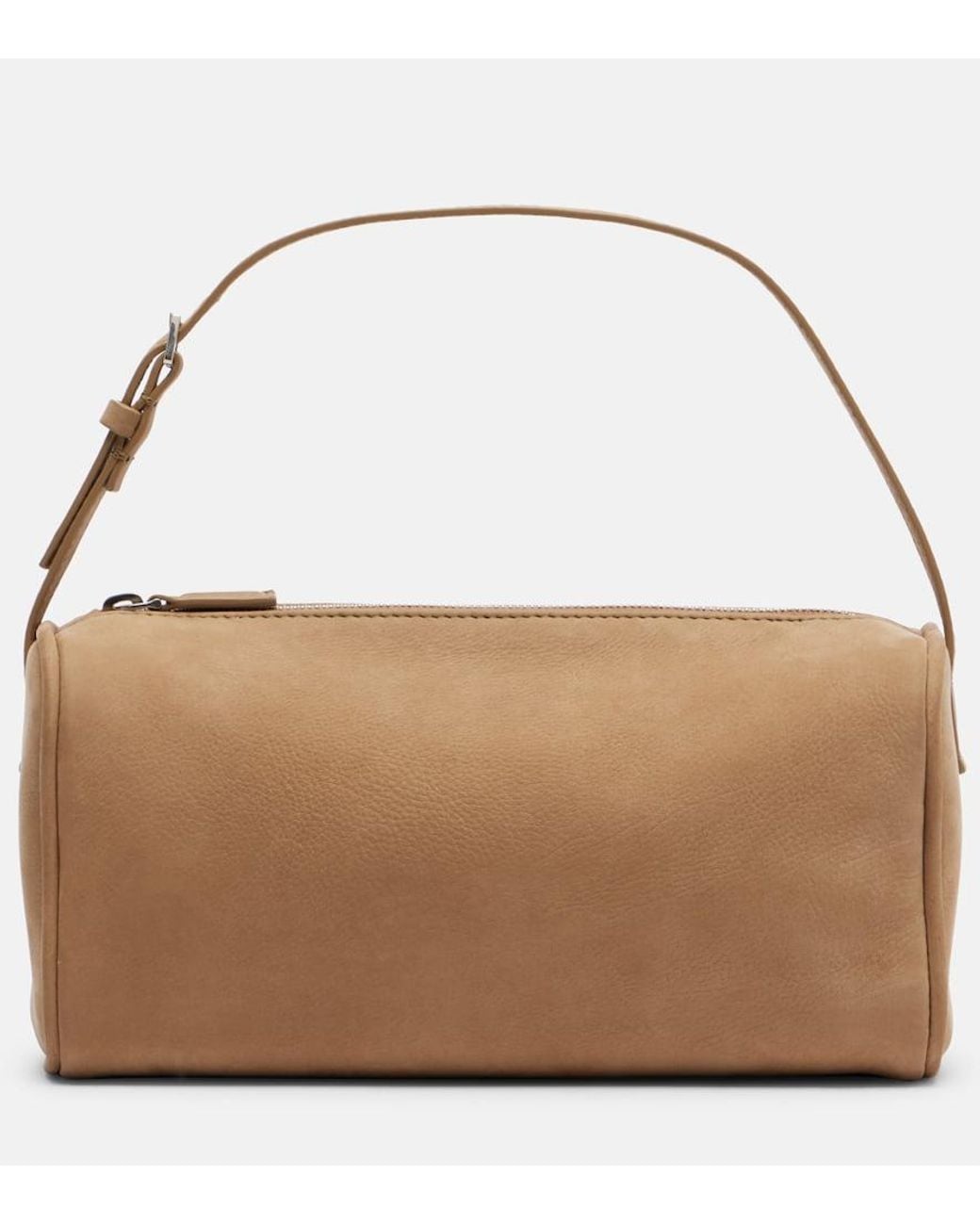
If several tote listings are side by side, bear in mind that shades should stay consistent across seasons for core styles — so dramatically mismatched tones in the same listed colorway may point to either poor photo quality or a dye lot from an unauthorized manufacturer.
Totes, overall are one of the more attainable entry points into the brand’s handbags, and getting the construction check right here builds know-how you’ll use across every other style.
Comparing Costs Across Fan-Favorite Styles
Understanding typical retail pricing helps you spot inflated resale listings and outright scams before you get too invested in a purchase. The table below reflects general 2026 retail positioning across some of the brand’s best-known bag categories, useful as a reference point when browsing row sale listings or secondhand platforms.
| Bag Style | General Cost Range | Things to Check for Resale |
|---|---|---|
| Margaux (available in various sizes) | $3,000–$5,500 | Strongly sought-after; inspect flap stitching and hardware weight |
| The Tote Bag from The Row | $1,800–$3,200 | Check base wear and handle attachment points |
| Small or Mini Handbags | $2,200–$3,800 | Double-check interior lining material and proportion accuracy |
| Top-Handle Bags with Structure | $2,800–$4,500 | Check how symmetrical the seams are as well as the consistency of the edge paint |
These figures vary depending on leather type, hardware finish, and limited releases, so treat them as a general framework rather than a fixed price list. A bag priced dramatically below these ranges, especially in «new with tags» condition, deserves extra scrutiny regardless of how convincing the photos look.
Paperwork and Seller Credibility
Many overlook this, but paperwork as well as seller reputation provide another layer of scrutiny on top of the physical inspection. The Row doesn’t include as much branded packaging as some luxury houses, but purchases from authorized retailers typically come with a dust bag, a receipt, and sometimes a card noting the leather type or care instructions. If buying from an individual, always ask for the purchase documentation, and be wary of claims that documentation was lost for a recently bought bag. Reputable sellers who have confirmed reviews are, statistically, far less apt to be moving counterfeit stock, so check seller reviews and transaction history on resale platforms before buying. Sellers reselling stock photography commonly use overly professional photos that reappear on multiple different listings — a reverse-image search can catch this tactic. If a platform offers third-party authentication as an add-on service, use it — that modest fee is small next to dodging a major financial error. Ultimately, combining hands-on checking with paper-trail verification is the difference between confident buyers from those who get burned.
Final Thoughts for Buyers
Shopping for the row fashion pieces — bags in particular — favors a careful pace and a willingness to slow down before hitting «buy.» Because the brand maintains tight production standards, the best row bags keep their value, leaving counterfeiters constantly struggling to replicate details beyond their reach. Whether you’re chasing a specific Margaux colorway or simply want a dependable tote for daily use, the basics stay the same: inspect the leather, scrutinize the stitching, weigh the hardware, and confirm the seller. Top row bags aren’t identified by logos or branding, but by the sum of small, consistent choices in how they’re made. Spending an extra fifteen minutes to compare stitch density, seam symmetry, and interior lining can save buyers from expensive errors later on. With counterfeit quality improving every year, that extra diligence isn’t optional anymore — it’s just part of buying well in 2026.


