

Best HMDD Sweat Shorts to Buy Buyer Checklist Inside
Looking After Your HMDD Sweats and Shorts to Keep Them Going for Years
HMDD , an abbreviation of Happy Memories Don’t Die— has developed a loyal fan base on the foundation of pieces that feel personal, not disposable. If you own a pair of HMDD sweatpants or shorts, you no doubt already know they’re not the kind of thing you’d want to throw in on a hot cycle without thinking. Fabric blends used in streetwear-inspired brands like HMDDLA tend to be thicker, often brushed or fleece-lined, which means they react in different ways to warmth, tumbling, and drying cycles than a simple cotton t-shirt. This overview goes over the practical steps that keep the color, print, and shape of your HMDD clothing intact for years rather than months. None of this is complicated, but failing to follow it is exactly how good sweats turn into worn-out, bobbled, baggy pieces by the second season.
Why Maintenance Matters More With HMDD Items
Much of a garment’s value, for streetwear brands focused on graphic work, embroidery, or puff prints, lives on the surface of the fabric rather than being woven into it. That’s true for a large part of HMDD’s collection, and it’s a repeated point in almost every hmdd review you’ll find online — people appreciate the aesthetic, but they also point out how the prints hold up (or don’t) after repeated washing. A cracked logo or a faded design doesn’t just look worse; it changes how the whole piece reads, turning something that once looked intentional into something that looks neglected.
There’s a financial side to this too. High-end sweats and shorts from brands marketing themselves as best hmdd clothing picks aren’t low-cost mass-produced basics — they’re priced like a long-term investment, which means the cost-per-wear only hmdd gym shorts adds up if the garment lasts through 50, 100, or 150 wears. A budget pair of $10 gym shorts can be thrown in the wash without care for a year and it hardly makes a difference. A thicker, more detailed pair of HMDD shorts is a completely separate matter.
When exposed to warmth, fleece and brushed materials — used in many of HMDD’s sweatpants silhouettes — behave differently than plain jersey cotton. Heat is the single biggest threat to the structure of fleece — it breaks down the microfibers that form that soft, brushed feel, compressing it for good. After that point, even the most careful washing won’t restore it. Which means the practices you form now, from the first wash, determine how the garment holds up over time for the remainder of its lifespan.
Core Guidelines for Washing HMDD Sweatpants
Low-temperature water isn’t optional for any piece featuring a printed or embroidered graphic. Water above 86°F (30°C) hastens dye migration and softens the bonding layer beneath screen prints, which is the reason you end up with cracked or peeling logos within 10–15 washes. Opt for a chilled setting or, at the very most, a lukewarm cycle.
Reverse every garment so it’s inside-out before loading it into the washer. Surface abrasion on printed designs and embroidered details is reduced by this one move, which protects the visible side from scraping against drawstrings, zippers, or other items in the wash. The whole thing takes five seconds and it’s by far the most underrated move in the entire care process.
Reach for a gentle, dye-free and additive-free detergent instead of anything with brightening agents or heavy fragrance additives — such compounds build up in fleece fibers gradually and fade the true color, most notably on the darker end of the HMDD palette like black, charcoal, and olive. Roughly a quarter-cup of a mild liquid detergent typically suffices for one pair of sweatpants; using more offers no added benefit.
Forgo fabric softener altogether. That may seem counterintuitive for warm and comfy fleece, but the product coats fibres in a wax-like buildup that diminishes airflow and, over 20-30 washes, causes brushed fleece feel matted rather than soft. If you want long-term plushness, a lower spin speed (600-800 RPM) provides more benefit than any fabric conditioner ever will.
Launder similar colors together and avoid overloading the washer; a drum loaded beyond 75% of its capacity means items lack room to move, thereby raising rubbing and fuzz buildup. When washing a single pair of HMDD sweatpants or shorts, pairing them with 3-4 other comparably weighted items is the ideal balance.
The Drying Process: Where Most Damage Really Occurs
If washing is where mistakes accumulate slowly, drying is where damage happens fast. High-heat tumble drying is responsible for the majority of shrinkage complaints across fleece and heavyweight cotton blends, and it’s very likely the single biggest factor separating a pair of HMDD sweatpants that lasts three years from one that’s unwearable after eight months.
The ideal method remains air drying flat. Setting the garment flat, rather than hanging it, stops the heaviness of water-laden fabric from warping the waistband or the openings at the legs — a problem that occurs surprisingly easily with damp fleece, which can absorb up to 3 times its own dry weight in water before it begins dripping.
If a dryer is unavoidable, use the lowest heat setting available and remove the garment while it’s still slightly damp, then let it finish air drying. This cuts total heat exposure by roughly half compared to running a full high-heat cycle, and it meaningfully reduces pilling on brushed interiors.
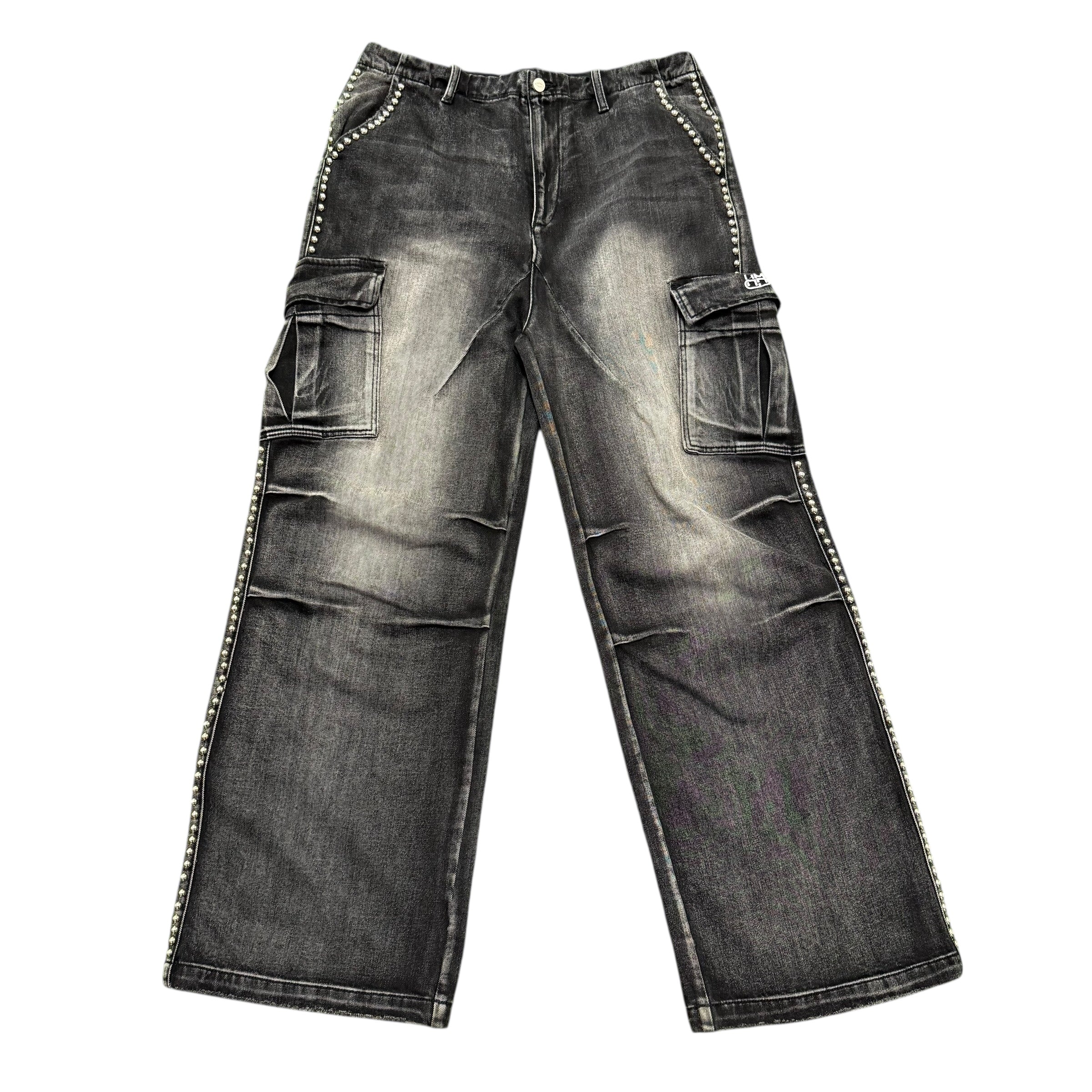
Never dry sweatpants or shorts with a printed design print-side down on a radiator or heater. Prolonged, concentrated heat above 122°F (50°C) is all it takes to weaken the bond of plastisol prints to the point where the ink can bleed onto any surface it’s pressed against, resulting in irreversible damage to the artwork.
Daily Routines and Upkeep
Where and how you keep HMDD clothing in between wear cycles is nearly as important as your washing routine. Choosing to fold instead of hang tends to suit thick, heavy sweatpants and shorts, because clipping heavy fleece up by its waistband can cause irreversible stretch marks to form at that spot within weeks.
Prevent leaving garments under direct sun during storage, since ultraviolet exposure slowly but surely fades color; darker colorways in particular can lighten visibly after a few short months on a sunlit shelf or in a car.
Give your pairs a rotation. Reaching for one single pair of shorts or sweatpants day after day without letting them rest keeps the fibers from recovering their shape, and this hastens deterioration at high-friction areas like the knee area and the inner-thigh seam. If you own a few pairs in regular use rather than relying on just one constantly, it’s possible to nearly double the working life of every item.
Rather than permitting them to bond through a full wear cycle, treat stains right away. If treated within an hour, a stain comes out with just cold water and mild soap; neglected through 24 hours, however, the identical mark typically requires pretreatment and a higher wash temperature, endangering the print.
A Quick Overview between Good Habits and Life-Shortening Habits
| Care Step | Best Practice | Common Mistake |
|---|---|---|
| Temperature of Water | Below 86°F (30°C), cold water | A hot cycle exceeding 104°F (40°C) |
| Orientation of the Garment | Turned inside out | With the print showing, right side out |
| Detergent | Mild, dye-free liquid | A brightener-loaded, heavy-duty powder |
| Method of Drying | Lay flat to air dry | High-heat tumble dry to full dryness |
| Storage | Out of direct sun, folded | Placed on a clip hanger close to a window |
| Usage Pattern | Alternating among 2-3 pairs | Wearing the same pair every day with no break |
What This Means for HMDD Customers in 2026
The secondhand streetwear resale scene has scaled up fast, and pieces that keep their form and hue just command a price for more. A carefully looked-after pair of HMDD sweatpants can hold onto a noticeably higher resale percentage of original price next to a neglected one, particularly when the artwork or embroidered detail is still clean. In financial terms, that’s good cause to treat five extra minutes per wash cycle with real care.
Worth flagging too is the fact that as HMDD’s catalog has grown, the assortment of fabric thicknesses and treatments has grown too, so it’s wise to inspect any care label attached to your specific piece rather than assuming every item reacts identically. A thick fleece short paired with a lighter, mesh-lined short from the same collection can have different washing thresholds even if they appear similar on the rack.
At its core, looking after HMDD garments has less to do with babying them and more to do with aligning your wash-and-dry process to the actual fabric in question. Cold water, inside-out washing, low or no heat in the dryer, and sensible storage take care of the lion’s share of what ensures sweatpants and shorts looking new. Maintain these practices, and «happy memories don’t die» becomes true for the actual piece of clothing, too — beyond just the sentiment tied to the name.


